

Legal Implications of Hiring Unlicensed Exterior Contractors: Risks and Protections
Share this:
Exploring the Legal Implications of Hiring Unlicensed Exterior Contractors sheds light on the risks and potential liabilities that homeowners or property owners may encounter. Understanding the differences in legal protections between licensed and unlicensed contractors is crucial in making informed decisions when undertaking exterior projects.
Delving deeper into the consequences, protection measures, and legal recourse provides valuable insights for individuals or businesses navigating the complex landscape of hiring contractors for exterior work.
Legal Implications of Hiring Unlicensed Exterior Contractors
When homeowners or property owners decide to hire unlicensed contractors for exterior work, they expose themselves to various risks and potential liabilities. It is crucial to understand the differences in legal protections between licensed and unlicensed contractors to make informed decisions.
Risks Associated with Hiring Unlicensed Contractors
- Unlicensed contractors may not have the necessary skills or qualifications to complete the job properly, leading to subpar workmanship.
- There is a higher likelihood of unlicensed contractors cutting corners or using inferior materials to save costs, compromising the quality and durability of the project.
- Homeowners may face delays, abandoned projects, or disputes over payments when dealing with unlicensed contractors who operate without accountability.
Potential Liabilities for Homeowners
- If an unlicensed contractor gets injured on the job, homeowners may be held liable for medical expenses and other costs, as they are considered the employer in this situation.
- Homeowners may face legal consequences if the work performed by an unlicensed contractor does not meet building codes or safety standards, resulting in fines, penalties, or mandatory corrections.
- In case of property damage or accidents caused by the negligence of unlicensed contractors, homeowners may be responsible for covering the costs of repairs or compensation for affected parties.
Differences in Legal Protections
- Licensed contractors are regulated by state laws and must meet specific requirements, such as obtaining insurance, bonding, and licenses, to operate legally. This provides homeowners with recourse in case of disputes or unsatisfactory work.
- Homeowners working with licensed contractors have the assurance that the contractor has the necessary expertise, qualifications, and accountability to deliver high-quality work and adhere to legal standards.
- Legal protections for homeowners hiring licensed contractors include mechanisms for resolving complaints, seeking compensation for damages, and ensuring compliance with contract terms and warranties.
Consequences of Using Unlicensed Exterior Contractors
When individuals or businesses choose to hire unlicensed contractors for exterior projects, they open themselves up to a variety of legal repercussions that can have serious consequences.
Financial Penalties and Legal Actions
Using unlicensed contractors can result in significant financial penalties and legal actions. In many jurisdictions, it is illegal to hire contractors who do not have the proper licenses and permits. This can lead to fines, citations, and even lawsuits if the work is not up to code or if there are any issues with the project.
Examples of Legal Cases
There have been numerous cases where hiring unlicensed contractors has resulted in severe consequences for individuals and businesses. For example, in a recent case in California, a homeowner was fined $10,000 for hiring an unlicensed contractor to do roofing work on their property.
The contractor did not have the necessary permits and the work was not done to code, leading to legal action against the homeowner.
Protection Measures for Hiring Exterior Contractors
When hiring exterior contractors for construction or renovation projects, it is crucial to take certain protection measures to ensure that you are working with licensed and qualified professionals. Verifying a contractor's license, insurance, and credentials before starting a project can help protect you legally and financially.
Here are some steps individuals or businesses can take to safeguard themselves when hiring exterior contractors:
Verify Contractor’s License, Insurance, and Credentials
Before hiring an exterior contractor, always verify their license, insurance, and credentials. A licensed contractor is more likely to adhere to industry standards and regulations, providing you with a higher level of quality and professionalism. Additionally, ensuring that the contractor is properly insured can protect you from liability in case of accidents or property damage during the project.
Check References and Past Work
Ask the contractor for references from past clients and examples of their previous work. This will give you an idea of the contractor's experience and the quality of their work. You can also check online reviews and ratings to get a better understanding of the contractor's reputation in the industry.
Get Everything in Writing
It is essential to have a detailed written contract outlining all aspects of the project, including timelines, costs, materials, and responsibilities. A written agreement can protect both parties in case of disputes or misunderstandings during the project. Make sure to read and understand the contract thoroughly before signing.
Monitor the Progress of the Project
Stay involved in the project and monitor the progress regularly. Communicate with the contractor to address any concerns or issues that may arise during the construction or renovation process. Keeping a close eye on the project can help prevent delays, mistakes, or cost overruns.
Legal Recourse for Damages Caused by Unlicensed Contractors
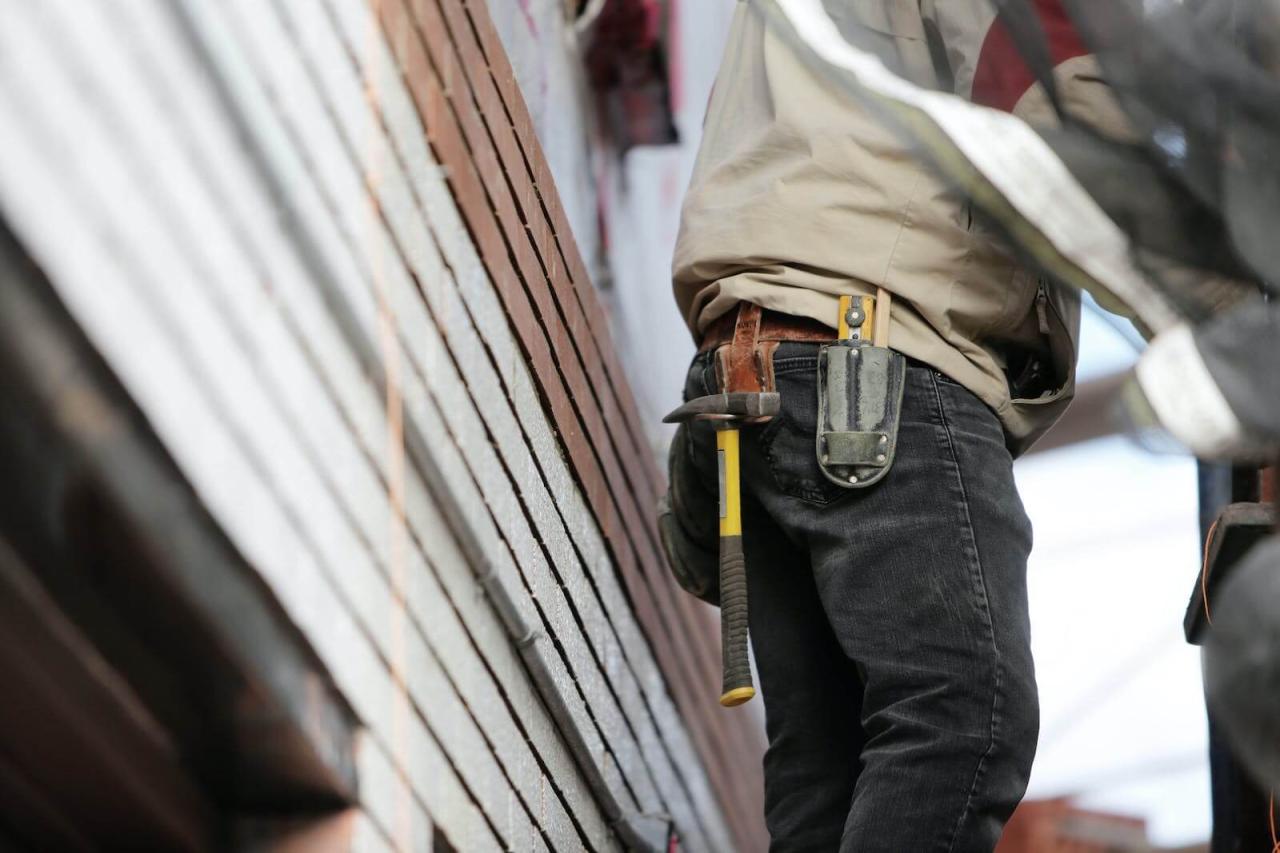
When homeowners or property owners experience damages or issues due to the work of unlicensed contractors, they have legal options available to seek compensation or remediation for the harm caused. It is important to understand the legal process and challenges involved in pursuing recourse against unlicensed contractors.
Legal Process for Seeking Compensation
Homeowners can take legal action against unlicensed contractors by filing a lawsuit in civil court. This typically involves proving that the contractor was negligent in their work, resulting in damages to the property. Evidence such as contracts, photos of the damages, and witness testimonies may be presented in court to support the case.
Challenges in Pursuing Legal Recourse
- Difficulty in Locating Unlicensed Contractors: One of the challenges homeowners may face is locating unlicensed contractors who may have disappeared or are difficult to track down after causing damages.
- Lack of Legal Protections: In some cases, unlicensed contractors may not have insurance or assets to cover the damages, making it harder for homeowners to recover compensation even if they win a legal case.
- Complex Legal Procedures: Navigating the legal system can be complex and time-consuming, requiring the expertise of a skilled attorney to ensure that the case is presented effectively in court.
- Burden of Proof: Homeowners bear the burden of proving that the damages were directly caused by the negligence of the unlicensed contractor, which can sometimes be challenging without sufficient evidence.
Closing Summary

In conclusion, being aware of the legal implications and taking proactive measures to protect oneself when hiring exterior contractors is essential. By verifying licenses, insurance, and credentials, homeowners can safeguard their interests and avoid potential legal pitfalls.
Common Queries
What are the risks of hiring unlicensed exterior contractors?
Unlicensed contractors may lack necessary skills, insurance, or legal protections, putting homeowners at risk of subpar work or liabilities.
How can homeowners protect themselves legally when hiring exterior contractors?
Homeowners can protect themselves by verifying contractors' licenses, insurance coverage, and credentials before starting a project.
What legal recourse do homeowners have for damages caused by unlicensed contractors?
Homeowners can seek compensation or remediation through legal channels if they experience damages due to the work of unlicensed contractors.