

Understanding Insurance-Backed Exterior Renovation Contracts: A Comprehensive Guide
Share this:

Delve into the world of insurance-backed contracts for exterior renovations, where protection and peace of mind reign supreme. This guide offers a detailed look at the key elements and benefits of such contracts, ensuring a smooth and secure renovation process for all parties involved.
Importance of Insurance-Backed Contracts
When it comes to exterior renovation projects, having insurance-backed contracts is crucial for both homeowners and contractors. These contracts provide a layer of protection and assurance that can benefit all parties involved in the project.
Protecting Homeowners and Contractors
Insurance-backed contracts offer financial protection in case of unexpected events such as property damage, accidents, or project delays. For homeowners, this means peace of mind knowing that they won't be left with additional costs if something goes wrong during the renovation.
On the other hand, contractors are also safeguarded against liability claims and potential legal disputes, ensuring a smooth and worry-free project completion.
Contribution to Safety and Security
Having insurance-backed contracts in place contributes to the overall safety and security of a renovation project. In the event of accidents or injuries on the job site, the insurance coverage can help cover medical expenses and other related costs. This not only protects the individuals involved but also ensures that the project can continue without major disruptions.
Elements of Insurance-Backed Contracts
Insurance-backed exterior renovation contracts are crucial for protecting both the homeowner and the contractor. These contracts should include specific components to ensure a smooth and successful renovation process.
Insurance Clauses
- Insurance clauses in the contract Artikel the coverage provided by the contractor's insurance policy. This ensures that any damages or liabilities arising during the renovation project are covered.
- These clauses also specify the types of insurance required, such as general liability insurance and workers' compensation insurance, to protect both parties from potential risks.
Liability Coverage
- Liability coverage details the extent to which the contractor is responsible for any damages, injuries, or accidents that may occur during the renovation process.
- It is essential to have clear liability coverage provisions in the contract to avoid disputes and ensure that all parties are protected in case of unforeseen events.
Warranties
- Warranties included in the contract guarantee the quality of materials used and the workmanship provided by the contractor.
- These warranties offer assurance to the homeowner that any defects or issues that arise post-renovation will be rectified by the contractor at no additional cost.
Contract Comparison: Insured vs. Non-Insured
Insurance-backed contracts provide a higher level of protection and peace of mind for all parties involved compared to non-insured contracts in exterior renovations.
Benefits of Insurance-Backed Contracts
- Insurance-backed contracts offer financial protection in case of accidents, damages, or unforeseen events during the renovation process.
- They ensure that both the homeowner and the contractor are covered in the event of any liabilities or disputes.
- Insurance-backed contracts typically have clear terms and conditions Artikeld, reducing the risk of misunderstandings or disputes.
Risks of Non-Insured Contracts
- In non-insured contracts, homeowners may be held liable for any damages, injuries, or accidents that occur during the renovation.
- Contractors may face financial risks if they do not have insurance coverage to protect them from potential legal claims or disputes.
- Non-insured contracts may lack clear guidelines or protection in case of project delays, subpar workmanship, or other issues.
Higher Level of Protection with Insurance-Backed Contracts
Insurance-backed contracts offer a higher level of protection and peace of mind for all parties involved by providing a safety net in case of unexpected events. They ensure that both homeowners and contractors are safeguarded against financial losses, legal disputes, and other risks that may arise during the renovation process.
Claims Process in Insurance-Backed Contracts

When it comes to insurance-backed renovation contracts, understanding the claims process is crucial for both contractors and homeowners. This process Artikels the steps involved in filing and processing claims under the insurance policy to ensure a successful resolution in case of damages or issues during the renovation project.
Typical Procedure for Filing and Processing Claims
- Notify the insurance provider: As soon as an issue arises, notify the insurance company to initiate the claims process.
- Document the damage: Take photos and gather evidence to support your claim.
- File a claim: Submit a detailed claim form to the insurance company, including all relevant documentation.
- Assessment: The insurance company will assess the claim and determine coverage based on the policy terms.
- Approval and payment: If the claim is approved, the insurance company will provide payment for the covered damages.
Common Challenges and Effective Solutions
- Delayed processing: Stay in regular communication with the insurance company to ensure timely processing of the claim.
- Disputes over coverage: Review the policy terms carefully and provide evidence to support your claim for full coverage.
- Incomplete documentation: Ensure all communication, photos, and paperwork related to the claim are properly documented for a smooth process.
Importance of Documenting Communication and Activities
- Documentation is key: Keeping a record of all communication and activities related to the claim can help in case of disputes or discrepancies.
- Proof of claim: Documentation serves as proof of the claim and can support your case for full coverage of damages.
- Legal protection: Having a documented trail of communication can protect both parties legally and ensure a fair resolution.
Last Word
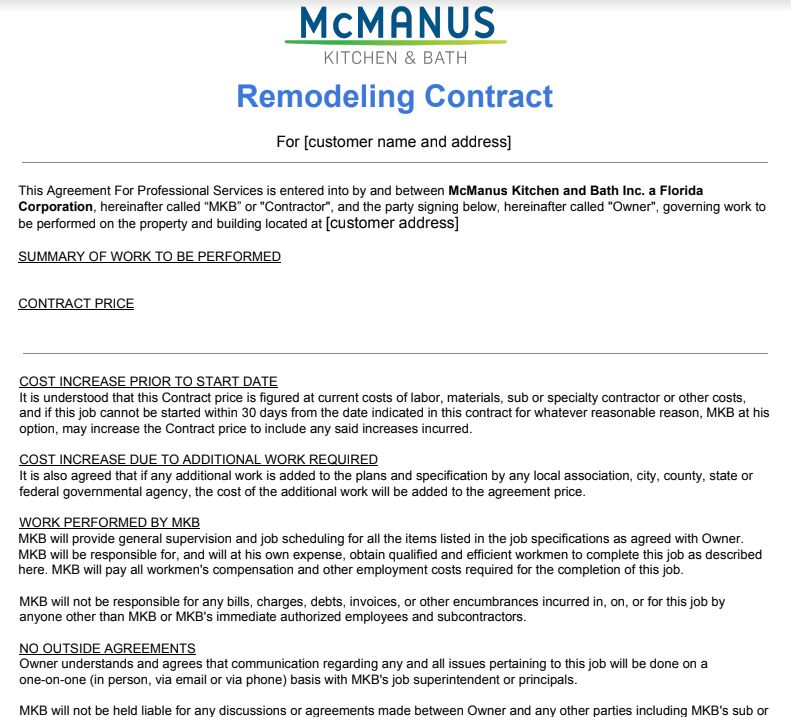
In conclusion, understanding insurance-backed exterior renovation contracts is crucial for ensuring a successful and stress-free project. By prioritizing safety, protection, and clear communication, both homeowners and contractors can embark on their renovation journey with confidence.
FAQ Insights
What are the benefits of insurance-backed contracts?
Insurance-backed contracts provide a higher level of protection for both homeowners and contractors, offering peace of mind and ensuring a smooth renovation process.
What key components should be included in an insurance-backed exterior renovation contract?
An insurance-backed contract should include insurance clauses, liability coverage, warranties, and clear documentation of communication and activities related to claims.
How do insurance-backed contracts contribute to the safety and security of a renovation project?
Insurance-backed contracts help mitigate risks, protect against unforeseen circumstances, and ensure that all parties involved are covered in case of any issues during the renovation.