

Legal Help for Storm Damage Insurance Claims: A Comprehensive Guide
Share this:
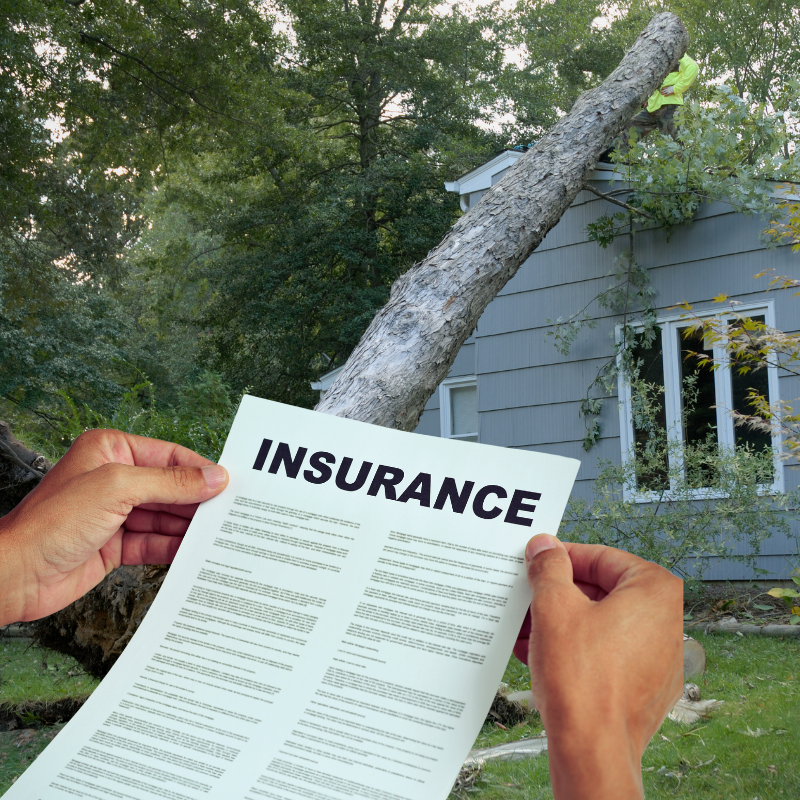
Exploring the realm of legal assistance for storm damage insurance claims, this guide delves into the intricate process of seeking help when faced with the aftermath of a storm. From understanding the nuances of insurance claims to the pivotal role of legal professionals, this topic sheds light on a crucial aspect of dealing with storm damage.
Understanding Storm Damage Insurance Claims
When it comes to filing an insurance claim for storm damage, it is essential to understand the process involved to ensure a smooth and successful outcome.
Process of Filing an Insurance Claim for Storm Damage
- Document the damage: Take photos and videos of the damage caused by the storm as evidence for your claim.
- Contact your insurance company: Notify your insurance provider about the damage and initiate the claims process.
- Meet with an adjuster: An insurance adjuster will assess the damage and determine the coverage amount.
- Review the claim settlement: Once the claim is processed, review the settlement offer and negotiate if necessary.
Key Steps for Seeking Legal Help for Storm Damage Insurance Claims
- Consult with a lawyer: Seek legal advice from an attorney specializing in insurance claims to understand your rights and options.
- Review insurance policies: Carefully review your insurance policies to understand coverage limits, exclusions, and deadlines for filing claims.
- File a lawsuit if necessary: If your insurance company denies or undervalues your claim, consider taking legal action to seek fair compensation.
Importance of Reviewing Insurance Policies Before Filing a Claim
Reviewing your insurance policies before filing a claim is crucial to ensure you understand the coverage provided and any limitations or exclusions that may apply. This knowledge can help you make informed decisions and avoid potential disputes with your insurance company.
Types of Storm Damage Covered by Insurance
When it comes to storm damage, insurance coverage can vary depending on the type of damage and the policy in place. Here are some common types of storm damage typically covered by insurance:
Wind Damage
Wind damage is one of the most common types of storm damage covered by insurance policies. This can include damage to roofs, siding, windows, and other structures caused by strong winds during a storm.
Hail Damage
Hail damage is another common type of storm damage covered by insurance. Hail can cause dents, cracks, and other damage to roofs, vehicles, and other property, which may be covered under your policy.
Water Damage
Water damage from storms, such as flooding or water leaks, is often covered by insurance. This can include damage to property and belongings caused by heavy rainfall or storm surges.
Lightning Damage
Damage caused by lightning strikes, such as fires, electrical damage, and structural damage, may also be covered by insurance policies.
Exclusions and Limitations
While many types of storm damage are covered by insurance, there may be exclusions or limitations in coverage for certain types of damage. For example, some policies may not cover damage from certain types of storms, such as hurricanes or tornadoes, without additional coverage.
Examples of Severe Storm Events
Severe storm events like hurricanes, tornadoes, and severe thunderstorms can result in significant damage that may be covered by insurance. For example, a hurricane can cause widespread wind and water damage to homes and businesses, leading to insurance claims for repairs and replacements.
Legal Assistance for Denied or Underpaid Claims

When dealing with denied or underpaid storm damage insurance claims, seeking legal assistance can be crucial in navigating the complex process of disputing and potentially overturning these decisions. Legal professionals specializing in insurance claims can provide valuable guidance and representation to policyholders facing difficulties with their claims.
Disputing a Denied Insurance Claim
- Legal professionals can review the denial letter and assess the reasons provided by the insurance company for denying the claim.
- They can gather additional evidence, such as expert opinions or documentation, to support the validity of the claim.
- Through negotiation and communication with the insurance company, legal support can help present a strong case for overturning the denial.
Challenging an Underpaid Insurance Claim
- Legal professionals can conduct a thorough review of the insurance policy to determine the coverage and entitlements under the terms of the agreement.
- They can assess the extent of the damage and the compensation offered by the insurance company to determine if it aligns with the policy provisions.
- By advocating for fair compensation and potentially engaging in mediation or legal action, legal assistance can help policyholders secure the full amount they are entitled to receive.
Potential Outcomes of Seeking Legal Help
- Successful resolution of denied claims, leading to the approval of the claim and payment of compensation for storm damage.
- Increased compensation for underpaid claims, ensuring policyholders receive adequate funds to repair or replace damaged property.
- Legal representation can expedite the claims process and provide peace of mind to policyholders during a stressful and challenging time.
Documentation and Evidence Collection
When it comes to filing a storm damage insurance claim, having proper documentation and evidence is crucial to ensure your claim is processed smoothly and you receive the compensation you deserve.
The Importance of Documenting Storm Damage
- Documenting storm damage is essential to provide proof of the extent of the damage to your property.
- Insurance companies require thorough documentation to validate your claim and determine the amount of compensation you are entitled to.
- Proper documentation can help expedite the claims process and increase the likelihood of a successful outcome.
Tips for Collecting Evidence
- Take detailed photos and videos of the damage from multiple angles to capture the full extent of the destruction.
- Make a written inventory of all damaged items, including their value, to provide a comprehensive list for your claim.
- Keep all receipts and invoices related to repairs or replacements as additional evidence of the costs incurred due to the storm damage.
Role of Photos, Videos, and Written Records
- Photos and videos serve as visual evidence of the damage and can help support your claim by providing a clear depiction of the impact of the storm.
- Written records such as inventories, receipts, and invoices help substantiate the financial losses you have incurred as a result of the storm.
- Combining photos, videos, and written records creates a comprehensive evidence package that strengthens your case and increases the chances of a successful insurance claim.
Closing Summary
In conclusion, navigating storm damage insurance claims can be a daunting task, but with the right legal help and knowledge in hand, you can effectively protect your interests and secure the compensation you deserve. Remember, being prepared and informed is key when facing the aftermath of a storm.
Question & Answer Hub
How can legal professionals assist with denied storm damage insurance claims?
Legal professionals can help review the denial, assess the situation, and provide guidance on the best course of action to dispute the denial effectively.
What are some common types of storm damage covered by insurance?
Common types include roof damage, water damage, and structural damage caused by storms like hurricanes or tornadoes.
Why is it important to review insurance policies before filing a storm damage claim?
Reviewing policies beforehand ensures you understand your coverage, exclusions, and limitations, helping you navigate the claims process more effectively.