

How Exterior Renovation Affects Your Insurance Premium: A Comprehensive Guide
Share this:
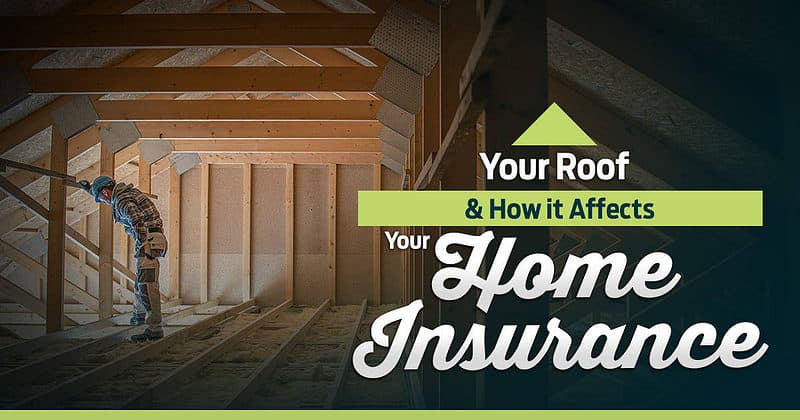
Exploring the impact of exterior renovations on insurance premiums opens a door to understanding how your home improvements can influence your insurance costs. From transforming your property's value to enhancing its safety features, each renovation choice can have a significant effect on your insurance premium.
Let's delve into the intricate relationship between exterior renovations and insurance costs.
Impact of Exterior Renovation on Insurance Premiums
When it comes to exterior renovations, many homeowners are unaware of the potential impact on their insurance premiums. Insurance companies consider various factors before determining the cost of your policy, and changes to your home's exterior can affect this significantly.One of the main ways exterior renovations can impact insurance premiums is by altering the perceived risk associated with your home.
For example, adding features like a new roof, updated siding, or impact-resistant windows can decrease the risk of damage from natural disasters or accidents, leading to potential premium reductions. On the other hand, renovations that increase the value of your home, such as adding a pool or expensive landscaping, may result in higher premiums due to the increased cost of repairs or replacements.
Specific Changes in Premiums Based on Common Renovation Types
- Roof Replacement: Installing a new roof can lead to lower premiums since it reduces the risk of water damage and leaks.
- Siding Upgrade: Upgrading your siding to a more durable material can also lower premiums by decreasing the risk of wind or hail damage.
- Window Replacement: Installing impact-resistant windows can result in premium reductions as they are less susceptible to breakage during storms.
How Insurers Assess Risk and Adjust Premiums Post-Renovation
Insurers assess the risk associated with your home based on factors like location, age, and condition. After completing exterior renovations, it is essential to inform your insurance provider to ensure that your policy accurately reflects the changes. Failure to do so could result in inadequate coverage or even policy cancellation.
Insurers may conduct a reassessment of your home's risk profile and adjust your premiums accordingly to reflect the reduced or increased risk post-renovation.
Types of Exterior Renovations that Impact Premiums
When it comes to exterior renovations, certain upgrades can have a direct impact on your insurance premiums. Insurers consider these changes as they affect the risk profile of your property. Let's explore some common exterior renovations and how they can influence your insurance rates.
Adding a Pool
- Installing a pool can increase the liability risk on your property.
- Insurance companies may view pools as attractive nuisances that could lead to accidents or injuries.
- You may need to increase your liability coverage to protect against potential claims related to the pool.
Building a Deck
- A deck can enhance the value of your home but also introduce new risks.
- Insurance providers may consider decks as potential hazards for slips, falls, or structural issues.
- You might need to update your policy to include coverage for the deck to address these risks.
Installing Solar Panels
- Solar panels are seen as a positive renovation that can improve energy efficiency.
- However, insurers may need to adjust your coverage to account for the cost of the panels in case of damage or loss.
- You may be eligible for discounts or incentives from your insurance company for investing in renewable energy sources.
Safety and Security Enhancements
When it comes to exterior renovations, safety and security enhancements can have a significant impact on your insurance premiums. By adding security measures and safety features to your home, you can potentially lower the risk of damage or theft, leading to potential savings on your insurance costs.
Impact of Security Upgrades
- Installing a monitored alarm system can deter burglars and reduce the risk of break-ins, which may lead to lower insurance premiums.
- Adding deadbolt locks, security cameras, and motion-sensor lighting can further enhance the security of your home and potentially lower insurance costs.
Impact of Safety Features
- Upgrading to impact-resistant roofing materials can help protect your home from damage during severe weather events, such as hailstorms or high winds, potentially resulting in lower insurance premiums.
- Installing fire-resistant siding or windows can also improve the safety of your home and reduce the risk of fire-related damage, which may lead to savings on insurance premiums.
Examples of Security Measures
- Smart home security systems that allow remote monitoring and control of your home's security features.
- Reinforced doors and windows that are more resistant to forced entry.
- Security gates or fences to restrict access to your property.
Maintenance and Upkeep Influence

Regular maintenance of exterior elements plays a significant role in determining insurance premiums. Insurance companies often take into account the condition of your home when calculating the risk associated with insuring it
On the other hand, proper maintenance can help reduce insurance premiums by minimizing the risk of damage and loss.
Impact of Regular Maintenance
Regular maintenance of your home's exterior elements, such as the roof, siding, windows, and doors, can demonstrate to insurance providers that you are actively protecting your property. This proactive approach can help lower your insurance premiums as it reduces the likelihood of claims due to wear and tear or preventable damages.
By investing in routine maintenance and addressing any issues promptly, you can show insurers that your home is in good condition and less susceptible to risks.
- Inspecting and repairing the roof regularly can prevent leaks and water damage, reducing the risk of costly claims.
- Keeping the siding and exterior walls well-maintained can improve the overall structural integrity of your home and deter pests or weather-related damage.
- Ensuring windows and doors are properly sealed and functioning can enhance security and prevent break-ins or storm-related damage.
Remember, insurance companies value proactive homeowners who take care of their properties, as it reflects a lower risk of claims and damages.
Tips for Proper Upkeep
To help reduce insurance premiums through proper upkeep, consider the following tips:
- Develop a regular maintenance schedule for inspecting and repairing exterior elements.
- Address any issues or damages promptly to prevent them from escalating and causing more significant problems.
- Invest in quality materials and professional services for repairs and maintenance to ensure long-lasting results.
- Keep records of maintenance activities and repairs to demonstrate to insurers that you are actively maintaining your property.
Value Addition through Renovations
Exterior renovations can significantly increase the value of a property by enhancing its curb appeal, functionality, and overall aesthetics. These improvements not only make the property more attractive to potential buyers but also contribute to its overall market value.
Correlation between Property Value and Insurance Premiums
When the value of a property increases due to renovations, insurance companies may adjust the premiums accordingly to reflect the higher replacement cost. This means that as the property value goes up, the insurance premiums may also increase to ensure adequate coverage in case of damage or loss.
- Adding a new roof: Installing a new roof can increase the value of a property and potentially lower insurance premiums due to improved structural integrity and weather resistance.
- Upgrading windows and doors: Energy-efficient windows and doors not only enhance the property's value but can also lead to lower premiums by reducing the risk of break-ins and weather-related damage.
- Landscaping improvements: Well-maintained landscaping can boost curb appeal and property value, possibly resulting in lower insurance premiums as it indicates a well-cared-for property.
Weather-Related Upgrades Impact
Weather-related upgrades play a crucial role in determining insurance premiums for homeowners. These upgrades are designed to protect the property from weather-related damage, ultimately reducing the risk for insurance companies. Let's delve into how these upgrades can impact your insurance costs and why they are essential for your overall coverage.
Impact of Impact Windows
Impact windows are specifically designed to withstand severe weather conditions, such as hurricanes and strong winds. By installing impact windows, homeowners can significantly reduce the risk of damage to their property during extreme weather events. Insurance companies often offer discounts for homes with impact windows due to the lower risk of weather-related claims.
This can result in lower insurance premiums for homeowners who invest in impact-resistant windows.
Climate-Specific Renovations for Lower Costs
Climate-specific renovations are tailored to the geographic location of the property and the prevalent weather conditions in that area. For example, homes in regions prone to wildfires may benefit from fire-resistant roofing materials, while properties in hurricane-prone areas may require reinforced roofing and impact-resistant windows.
By making these climate-specific renovations, homeowners can lower their insurance costs by reducing the risk of weather-related damage and subsequent insurance claims.
Importance of Weather-Related Upgrades in Premium Calculations
Insurance premiums are calculated based on the level of risk associated with the property. Weather-related upgrades are seen as proactive measures to mitigate risks and protect the property from potential damage. By investing in weather-resistant upgrades, homeowners demonstrate a commitment to safeguarding their property, which can lead to lower insurance premiums.
Insurance companies view these upgrades as a positive factor in assessing the overall risk profile of the property, making it a cost-effective investment in the long run.
Last Point
As we conclude our discussion on how exterior renovation affects your insurance premium, it becomes evident that every upgrade or alteration to your property can have a direct impact on your insurance costs. By staying informed about the relationship between renovations and premiums, homeowners can make well-informed decisions that align with their financial goals and property needs.
FAQs
How do exterior renovations impact insurance premiums?
Exterior renovations can affect insurance premiums by altering the risk profile of your property, leading to adjustments in the premium costs.
What are some common exterior renovations that impact insurance premiums?
Common renovations like adding a pool, deck, or solar panels can impact insurance premiums due to changes in the property's risk assessment.
Do security upgrades like alarm systems affect insurance premiums?
Yes, security upgrades such as alarm systems can lower insurance premiums by reducing the risk of theft or damage.
How can regular maintenance of exterior elements influence insurance premiums?
Regular maintenance of exterior elements can help reduce insurance premiums by preventing costly damages that may lead to higher costs.
Can weather-resistant upgrades impact insurance premiums?
Weather-resistant upgrades like impact windows can lower insurance premiums by enhancing the property's resilience to weather-related risks.