

How to File a Legal Complaint Against Home Exterior Contractors: A Comprehensive Guide
Share this:
Diving into the process of filing a legal complaint against home exterior contractors requires a solid understanding of the legal framework and necessary steps. This guide aims to simplify the complexities and empower individuals facing contractor issues.
Exploring the intricacies of legal complaints against contractors sheds light on the importance of preparation and evidence collection.
Researching Complaint Process
Before filing a legal complaint against home exterior contractors, it is crucial to understand the complaint process to ensure a successful resolution. By researching the process thoroughly, you can navigate the legal system with confidence and increase the chances of a favorable outcome.
Key Steps in Filing a Legal Complaint
- Document the issue: Keep detailed records of all interactions, contracts, payments, and any damages or defects related to the contractor's work.
- Review the contract: Carefully examine the terms and conditions of the contract you signed with the contractor to understand your rights and obligations.
- Attempt to resolve informally: Before filing a formal complaint, try to resolve the issue through communication with the contractor or mediation services.
- Research your legal options: Understand the laws and regulations that govern contractor complaints in your area to determine the appropriate course of action.
- File a complaint: If informal resolution fails, submit a formal complaint with the relevant authorities, such as a consumer protection agency or licensing board.
- Seek legal advice: Consider consulting with a lawyer specializing in construction law to guide you through the legal process and represent your interests.
Relevant Laws and Regulations
- Contract Law: Ensure that the contractor has violated the terms of the contract before filing a complaint.
- Consumer Protection Laws: These laws protect consumers from unfair or deceptive practices by contractors and provide avenues for seeking redress.
- Licensing Regulations: Check if the contractor is licensed and if they have complied with all licensing requirements in your jurisdiction.
- Building Codes: Contractors are obligated to follow building codes and regulations when performing work on residential properties.
Gathering Evidence
When filing a legal complaint against home exterior contractors, gathering evidence is crucial to support your case and strengthen your position. This evidence can include various documents and records that validate your claims and showcase the contractor's negligence or misconduct.
Types of Evidence
- Contracts: Provide copies of the signed contract between you and the contractor, outlining the agreed-upon services, timeline, and costs. This will serve as a foundation for your complaint and help demonstrate any breaches of contract.
- Photos: Take photographs of the contractor's work, highlighting any defects, damages, or unfinished areas. Visual evidence can be compelling in showcasing the poor quality of the workmanship.
- Communication Records: Keep records of all communication with the contractor, including emails, text messages, and phone calls. These exchanges can reveal promises made, changes in plans, or any disputes that arose during the project.
Examples of Evidence
- Invoices or Receipts: Present copies of invoices and receipts for payments made to the contractor. This will demonstrate the financial transactions involved and the amount paid for the services rendered.
- Before and After Photos: Provide before-and-after photos of the project to show the initial condition of the property and the outcome of the contractor's work. This visual comparison can highlight any discrepancies or subpar results.
- Inspection Reports: If you hired a third-party inspector to assess the work, include their detailed report in your evidence. Their professional opinion can further validate your claims of poor workmanship or code violations.
Documenting Damages
- Record Damages: Document any damages or issues resulting from the contractor's work, such as water leaks, structural damage, or safety hazards. Take notes, videos, or additional photos to capture the extent of the problems.
- Expert Opinions: Seek opinions from experts in relevant fields, such as construction or engineering, to evaluate the damages and provide written assessments. Their expertise can strengthen your case and support your claims in court.
- Timeline of Events: Create a timeline of events outlining the project's milestones, delays, and any disputes with the contractor. This chronology can help establish a pattern of negligence or misconduct on the contractor's part.
Writing the Complaint
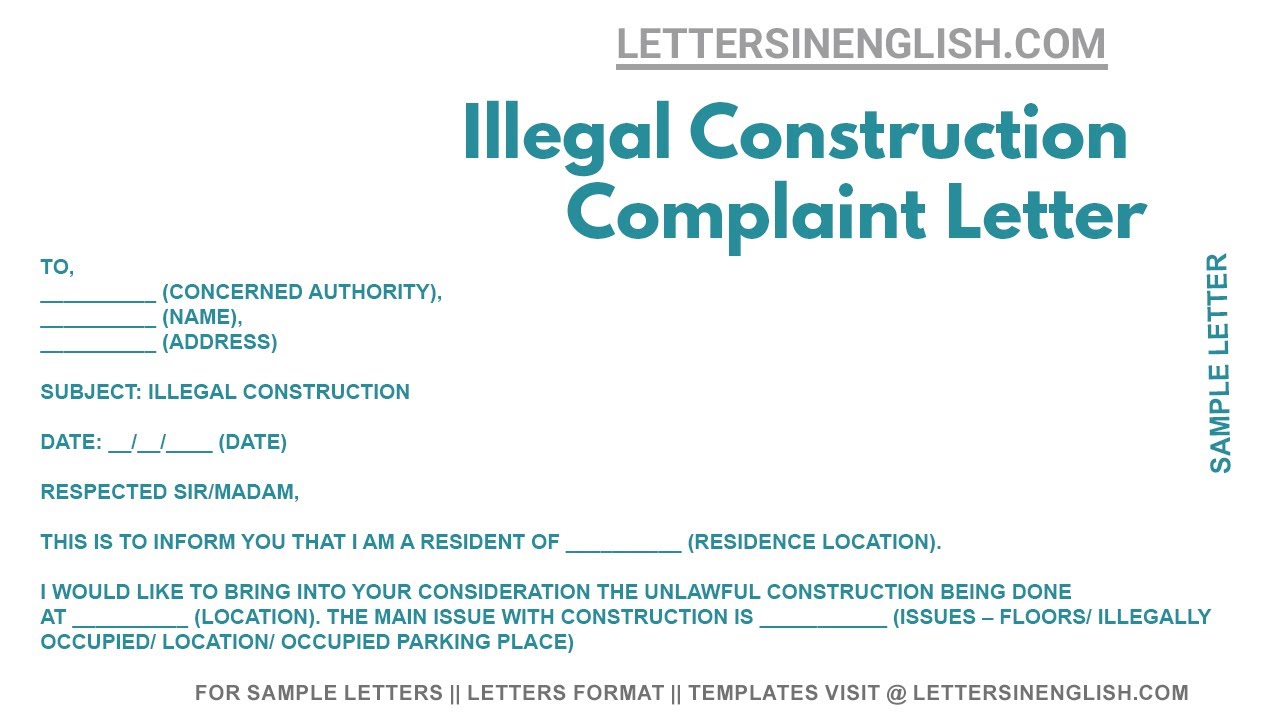
When writing a formal complaint letter against home exterior contractors, it is important to include essential components to ensure your grievances are effectively communicated and addressed. The letter should clearly Artikel the details of the issue, provide supporting evidence, and state the desired resolution.
Structuring the complaint in a clear and professional manner can help increase the chances of a successful outcome.
Essential Components of a Formal Complaint Letter
- Begin by clearly stating the issue you are facing with the home exterior contractors. Provide specific details such as dates, names of individuals involved, and any relevant communication that has taken place.
- Include evidence to support your claims, such as photos, contracts, invoices, and any other documentation that proves your case.
- Clearly Artikel the desired resolution you are seeking, whether it is a refund, repairs, or compensation for damages.
Structuring the Complaint for Clarity and Effectiveness
- Start with a brief introduction stating the purpose of the letter and your relationship with the contractor.
- Organize the body of the letter into paragraphs, with each paragraph focusing on a specific aspect of the issue.
- Use clear and concise language to convey your points, avoiding any unnecessary details or emotional language.
- End the letter with a call to action, such as requesting a response within a specific timeframe.
Tips for Maintaining a Professional Tone
- Avoid using offensive language or making personal attacks against the contractors. Stick to the facts and remain objective in your writing.
- Keep the tone of the letter polite and respectful, even if you are frustrated or angry about the situation.
- Proofread the letter carefully to ensure there are no grammatical errors or typos that could detract from your message.
- Consider having a friend or family member review the letter before sending it to ensure clarity and professionalism.
Filing the Complaint

When it comes to filing a complaint against home exterior contractors, it is crucial to follow the proper procedures to ensure your concerns are addressed. Here is a detailed guide on how to file a complaint effectively.
Submitting the Complaint
- Identify the relevant authority or organization where the complaint should be submitted. This could be a consumer protection agency, a licensing board, or a legal entity.
- Check if there is an online portal available for submitting complaints. Many organizations offer online forms that can be filled out conveniently.
- If online submission is not an option, find out the address and contact information for submitting complaints in person or via mail.
- Ensure you provide all necessary information, including details of the contractor, the nature of the complaint, and any supporting documents or evidence.
Following Up and Tracking Progress
- After submitting the complaint, inquire about the expected timeline for a response or resolution. This will give you an idea of when to follow up.
- Keep a record of all communication related to the complaint, including emails, letters, and phone calls. This will help you track the progress of your complaint.
- If there is no response within the specified timeframe, consider reaching out to the relevant authority for an update on the status of your complaint.
- Stay persistent and polite when following up on your complaint. Remember that it may take time to investigate and address the issue properly.
Concluding Remarks
In conclusion, navigating the process of filing a legal complaint can be daunting, but with the right knowledge and resources, individuals can seek justice and resolution against problematic home exterior contractors.
Detailed FAQs
What evidence is crucial when filing a complaint against home exterior contractors?
Contracts, photos, communication records, invoices, and receipts are vital pieces of evidence to strengthen your case against contractors.
How should a formal complaint letter be structured?
A formal complaint letter should include details of the issue, supporting evidence, and a clear desired resolution for effective communication.
Where can complaints against contractors be filed?
Complaints can be submitted to relevant authorities or organizations through various channels like online portals or in-person submissions.