

Title: Understanding the Midcap Market Index and its Impact on Property Insurance Stocks
Share this:

Beginning with the Midcap Market Index and its Impact on Property Insurance Stocks, we delve into a comprehensive exploration that sheds light on this dynamic relationship. The intersection of these two financial components offers valuable insights for investors and enthusiasts alike.
In the following paragraphs, we will delve deeper into the specifics of the Midcap Market Index and its influence on property insurance stocks, providing a nuanced understanding of their correlation.
Overview of Midcap Market Index
The Midcap Market Index is a financial tool that represents the performance of mid-sized companies in the stock market. It serves as a benchmark to gauge the overall health and direction of this segment of the market.
Companies in the Midcap Market Index
The Midcap Market Index typically includes companies with market capitalizations between small-cap and large-cap companies. These are often well-established companies with a moderate level of risk and growth potential.
Significance of the Midcap Market Index
The Midcap Market Index provides investors with insight into the performance of mid-sized companies, which are considered to be a balance between growth and stability. It is often used as a reference point to compare the performance of midcap stocks with other market indices such as the S&P 500 or the Dow Jones Industrial Average.
Impact of Midcap Market Index on Property Insurance Stocks
The Midcap Market Index plays a significant role in influencing the performance of property insurance stocks. Fluctuations in the Midcap Market Index can have a direct impact on the valuation and profitability of property insurance companies.Historically, there has been a strong correlation between the movements of the Midcap Market Index and property insurance stocks.
During periods of economic growth and rising stock prices, property insurance stocks tend to perform well as the demand for insurance increases. Conversely, during economic downturns or market corrections, property insurance stocks may experience declines due to reduced consumer spending and investment.
Relationship Between Midcap Market Index and Property Insurance Stocks
- During market booms, property insurance stocks tend to rise along with the Midcap Market Index as investors seek to protect their assets.
- In times of economic uncertainty or recession, property insurance stocks may face challenges as consumers cut back on discretionary spending, impacting insurance premiums.
- Changes in interest rates and regulatory environments can also influence the performance of property insurance stocks in relation to the Midcap Market Index.
Factors Influencing Property Insurance Stocks
Property insurance stocks are influenced by various factors beyond the Midcap Market Index. Understanding these key factors is crucial for investors looking to make informed decisions in this sector.
External Economic Factors Impacting Property Insurance Stocks
External economic factors play a significant role in shaping the performance of property insurance stocks. Factors such as interest rates, inflation, and overall economic stability can impact the valuation of these stocks.
For example, a rise in interest rates may increase the cost of insurance policies, leading to decreased demand and lower profitability for property insurance companies.
On the other hand, a stable economy with low inflation rates can boost consumer confidence and increase the demand for property insurance, positively affecting stock prices.
Volatility Comparison with Other Sectors
Property insurance stocks are known for their volatility, which can differ from other sectors in the market. Compared to sectors like utilities or consumer staples, property insurance stocks may experience higher fluctuations in response to external events
For instance, natural disasters such as hurricanes or wildfires can have a significant impact on property insurance stocks, leading to sudden price changes and increased volatility.
In contrast, sectors with more stable demand, such as utilities, tend to exhibit lower volatility compared to property insurance stocks.
Strategies for Investing in Property Insurance Stocks Amid Midcap Market Index Fluctuations
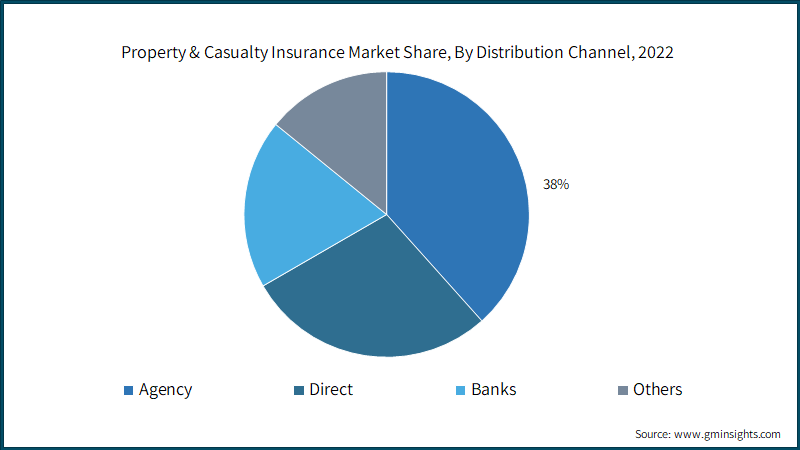
Investing in property insurance stocks can be a lucrative opportunity, but it comes with its own set of risks especially when considering the fluctuations in the Midcap Market Index. To navigate these challenges effectively, investors need to adopt a strategic approach that takes into account the volatile nature of the market and the specific characteristics of property insurance stocks.
Risk Management Plan for Investments in Property Insurance Stocks
Developing a risk management plan is crucial when investing in property insurance stocks during market volatility. This plan should include strategies to mitigate potential losses and protect your investment portfolio. Some key components of a risk management plan for property insurance stocks may include:
- Setting stop-loss orders to limit potential losses
- Diversifying your investment portfolio to spread risk
- Regularly monitoring market trends and adjusting your investment strategy accordingly
- Considering the impact of external factors such as natural disasters or regulatory changes
Diversification Techniques to Mitigate Risks Associated with Fluctuations in the Midcap Market Index
Diversification is a fundamental strategy to reduce risk in any investment portfolio, including property insurance stocks. By spreading your investments across different sectors and asset classes, you can minimize the impact of fluctuations in the Midcap Market Index on your overall returns.
Some diversification techniques that can be employed include:
- Investing in a mix of property insurance companies with varying market capitalizations
- Allocating a portion of your portfolio to other industries or sectors that are less correlated with the Midcap Market Index
- Including fixed-income securities or other low-risk assets to balance out the volatility of property insurance stocks
- Regularly rebalancing your portfolio to maintain the desired level of diversification
Wrap-Up

In conclusion, the discussion surrounding the Midcap Market Index and property insurance stocks underscores the intricate connections within the financial landscape. By grasping the implications of these interactions, stakeholders can make informed decisions to navigate market fluctuations with greater confidence.
FAQ Corner
What does the Midcap Market Index represent?
The Midcap Market Index represents a segment of the stock market that includes medium-sized companies with market capitalizations between those of large-cap and small-cap companies.
How do fluctuations in the Midcap Market Index impact property insurance stocks?
Fluctuations in the Midcap Market Index can influence investor sentiment and overall market conditions, thereby affecting the performance of property insurance stocks.
What are some key factors besides the Midcap Market Index that can influence property insurance stocks?
External economic factors, regulatory changes, catastrophic events, and industry trends can also significantly impact the valuation and performance of property insurance stocks.
What strategies can investors employ to navigate changes in the Midcap Market Index concerning property insurance stocks?
Investors can consider diversification, risk management techniques, and staying informed about market trends to make informed decisions during fluctuations in the Midcap Market Index that might affect property insurance stocks.